












Creating a better understanding of Pascal Fish is the goal of a joint project between the Community Museum and KU.
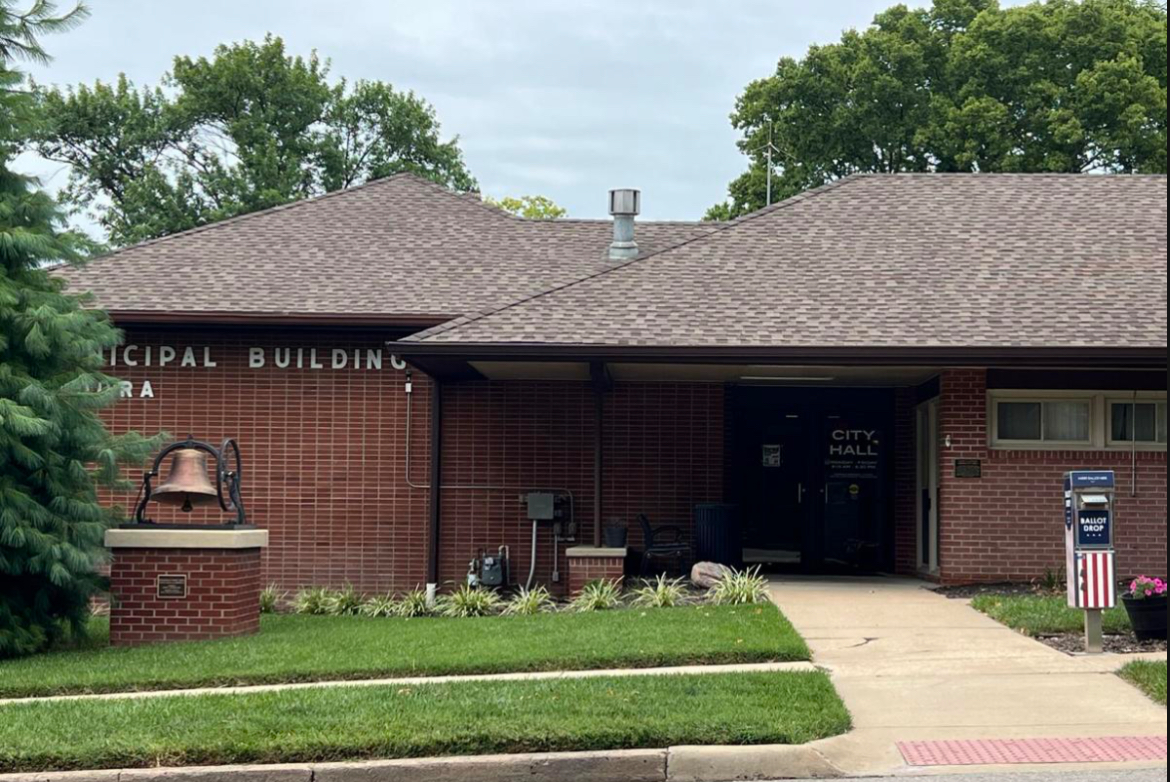
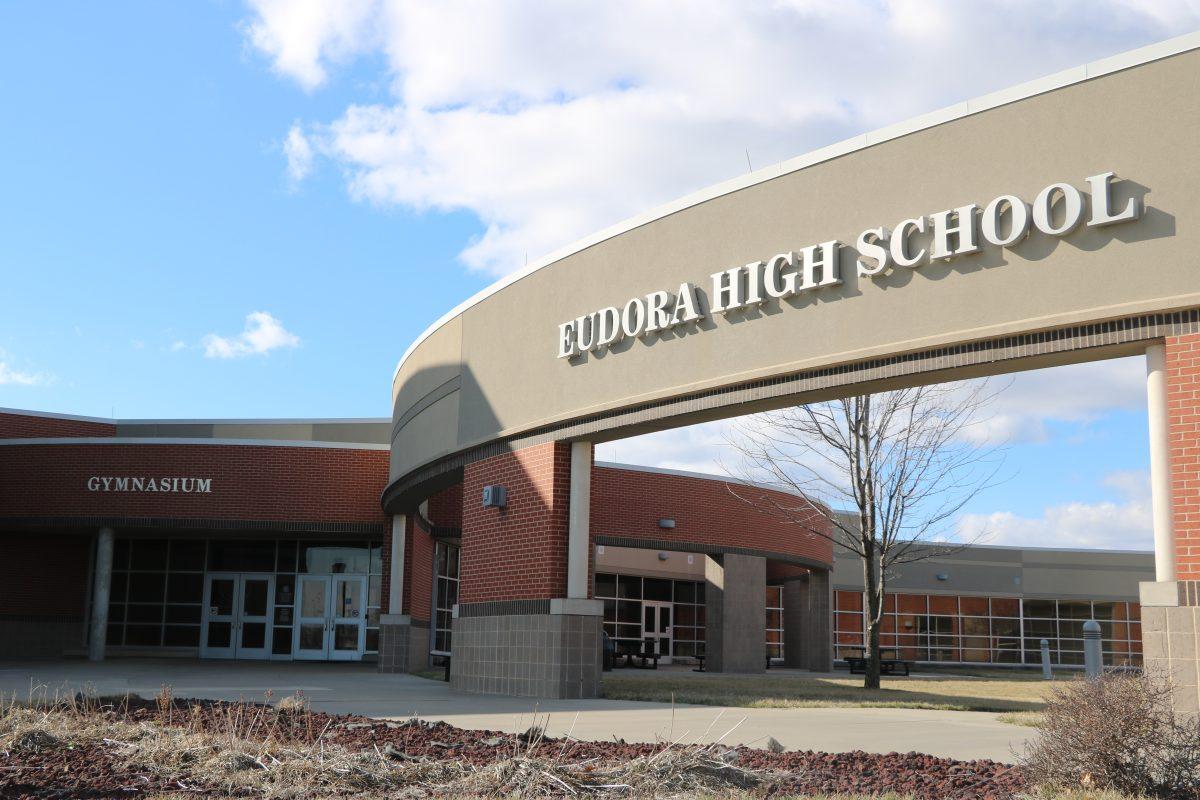
Fish, a Shawnee tribe leader, lived in the area from the 1840s until the 1870s. He owned the land that is now Eudora and sold it to a German immigrant company in 1857. They established Eudora and named it after his daughter to honor him.
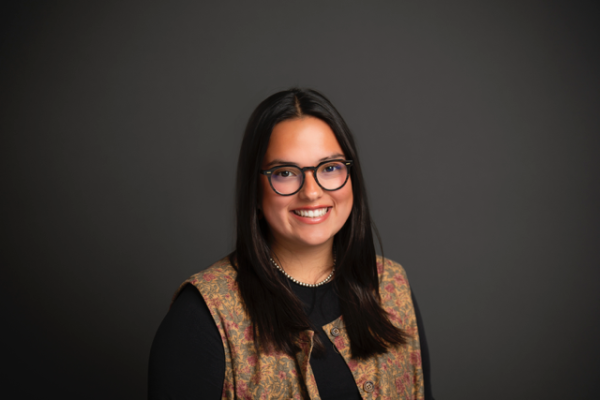
KU museum studies master’s students Tara Mitchell and Sophie Wanamaker could choose which Douglas County museum exhibit to work on for their Exhibits class this semester. They chose to collaborate with Ben Terwilliger, executive director of the Eudora Community Museum, to highlight the Fish family’s history.
The exhibit, with no debut date yet, will tell Paschal Fish’s life story through writings. Mitchell and Wanamaker have collaborated with Terwilliger to gather evidence, research and create graphic designs to develop the exhibit.
Terwilliger has wanted to create the Paschal Fish exhibit for a long time, he said.
“He’s a fascinating person, kind of an enigma,” Terwilliger said. “We don’t have any pictures of him, don’t know where he’s buried, probably will never find a picture of him.”
Paschal Fish was born into the Shawnee tribe in 1804, Terwilliger said. Fish went on to be a businessman with a hotel on the Oregon Trail and a ferry on the Kansas River. He owned 50% of the property lots in Eudora.
His eventual leave from the state remains a mystery, Terwilliger said, but he may have felt pressure to leave.
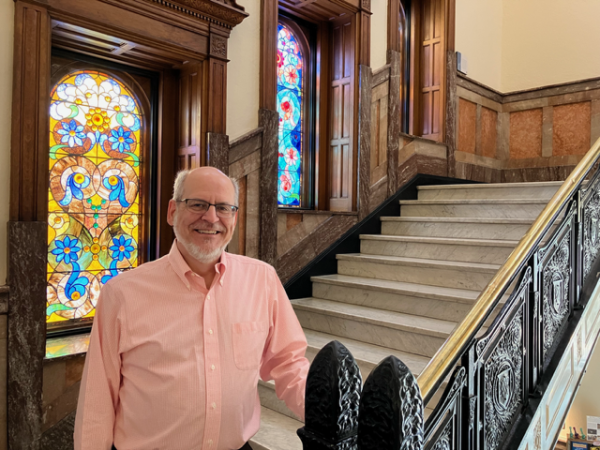
Watkins Museum of History Executive Director Steve Nowak instructs the master’s class at KU.
“I am really excited to see this project moving forward, because it really enhances the understanding of local history in Eudora, but in a much broader sense, it helps us understand the history of Douglas County,” Nowak said.
Indigenous history is often considered as it connects with white history, Nowak said. The exhibit will focus on the perspective of Indigenous people in Kansas.
“We have not really had any of the museums here look at the lives of the Indigenous population, either before or after the establishment of Douglas County,” he said.
Mitchell is from the Prairie Band Potawatomi Nation reservation near Mayetta, Kansas. As her tribe’s deputy tribal preservation officer, Mitchell works with federal and state agencies on projects on ancestral territory to preserve sacred archaeological sites and culturally sensitive items.
It’s important to Mitchell to allow Shawnee people to collaborate and offer feedback on the exhibit.
“We have people write stuff about us all the time, and we don’t always have input, and it’s not accurate. And we’re like, that’s not true. Like, that’s crazy. All they had to do was reach out and we would have given them the accurate information, which is what I wanted the Shawnee people to do: have that chance to give them accurate information,” Mitchell said.
The Prairie Band Potawatomi Nation and Shawnee tribes are from the same ancestral territory before they were forced to move, Mitchell said. They have always had a relationship, and Mitchell was able to connect Terwilliger with Shawnee people as they develop the exhibit.
“I wanted to advocate for tribal consultation and make sure that we were able to tell our story or our history from our perspective as opposed to the Western perspective,” Mitchell said. “My goal was to kind of just guide them to, you know, connect the Eudora museum to the Shawnee tribe, just out of respect for the tribe.”
Terwilliger plans to research and talk to members of other museums that have written about Native Americans. He has been rethinking the exhibit plan to be sensitive toward the Native American community. It’s a learning experience, he said.
“I need to have the correct perspectives on this, to make sure I’m telling an accurate story. That’s what’s most important to me, is telling an accurate story,” Terwilliger said. “ In order to do that, I need the Shawnee tribe to weigh in on it. I’m pleased for them to do it.”
Mitchell has also learned a lot in the research of the exhibit.
“I had no idea that Eudora was named after a Native woman,” Mitchell said. “And I wish I would have learned a little bit more about Eudora herself because I’m really more interested in historical tribal women. I think I’ll probably take upon myself, even after, to do more research on Eudora.”
She also has a goal to create a museum for her tribe since historical preservation and education ensures Native tribes’ varied stories are told.
“I definitely want to show people that tribes are not in the past, that we’re here, we’re in the future,” Mitchell said.
Reach us at [email protected].